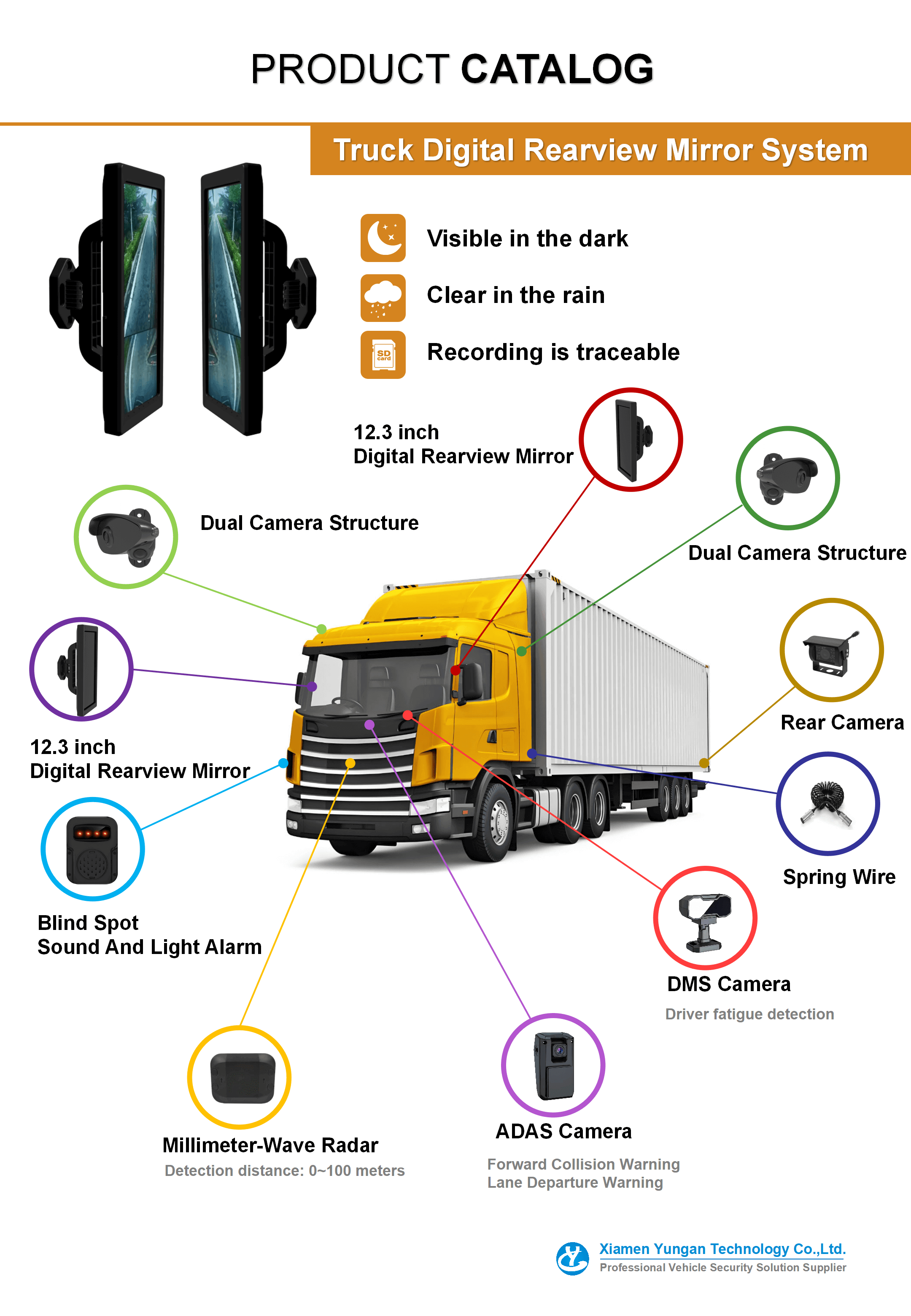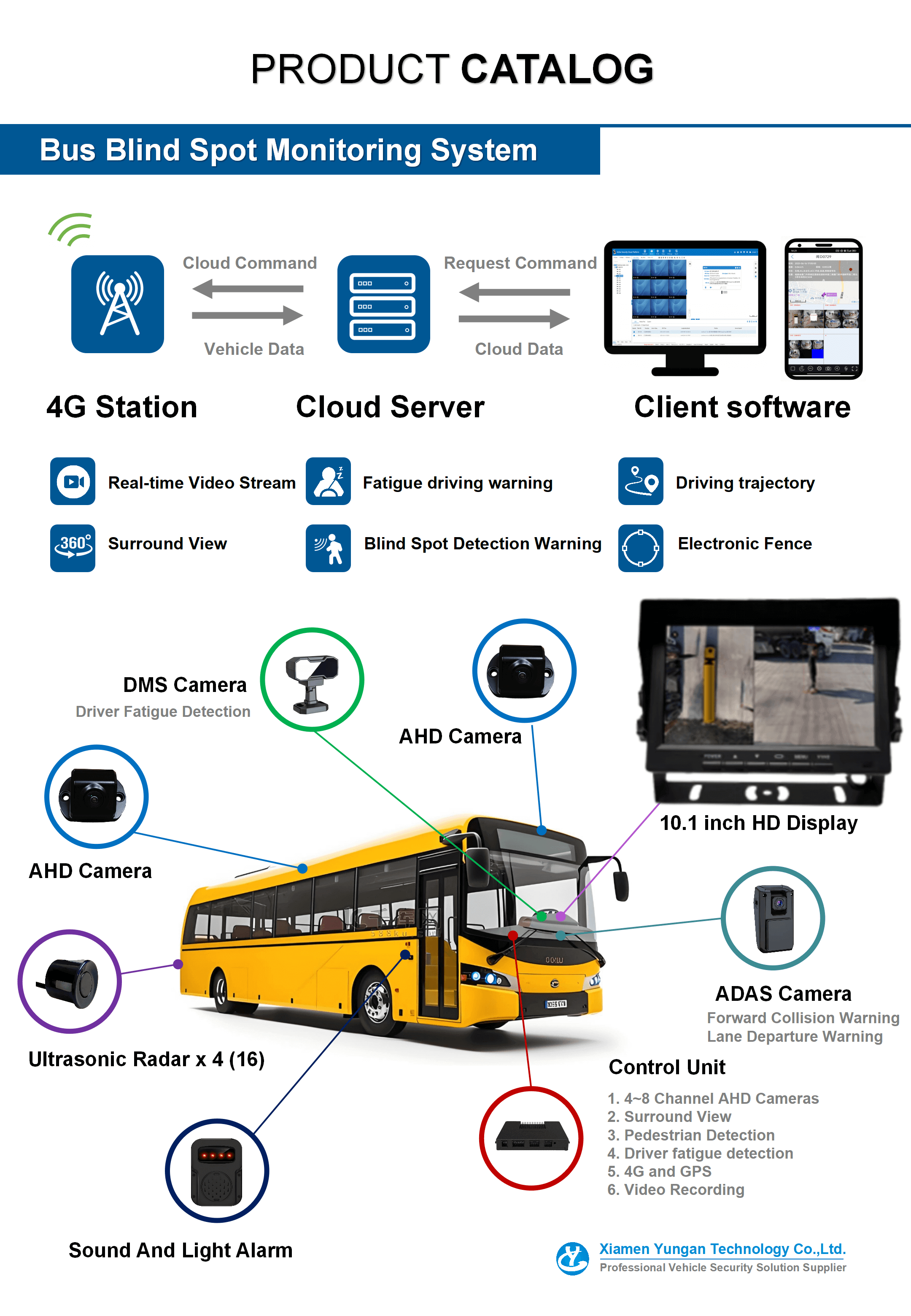

The global logistics industry is the lifeline of our economy, and at the heart of it are the trucks that keep our world moving. For decades, truck drivers have relied on traditional glass mirrors to navigate our roads. But as technology advances and safety standards become more stringent, a new solution is not just emerging—it’s becoming a necessity. The shift from a simple pane of glass to a sophisticated electronic mirror system (EMS), also known as a Camera Monitor System (CMS), represents one of the most significant leaps forward in commercial vehicle safety since the invention of the airbag.
But what exactly is an electronic mirror system, and why is this technology poised to completely replace the familiar glass mirror? This article will explore the evolution of rear-view technology, the undeniable benefits of making the switch, and the critical regulatory shifts that are driving this change across the globe.
1. What is a Truck Electronic Mirror System (EMS)?
Definition: Explain what an EMS is—a camera and monitor system that replaces traditional side mirrors. Components: Describe the key parts: High-definition cameras mounted on the exterior. Interior monitors (usually on the A-pillars) that display the camera feed. Explain how it provides an indirect view of the surroundings.
2. Why the Need for Electronic Mirrors? The Limitations of Traditional Mirrors
Blind Spots: Discuss the inherent danger of large blind spots in traditional mirrors, a leading cause of accidents. Weather and Glare: Explain how rain, fog, snow, and sun glare can severely obscure a driver's vision. Aerodynamics & Fuel Economy: Mention the large, bulky design of traditional mirrors and how they increase air resistance, leading to higher fuel consumption.
3. The Advantages of Electronic Mirror Systems
Enhanced Visibility: Wider Field of View: Explain how cameras provide a broader, adjustable viewing angle, capturing more than a fixed glass mirror. Superior Image Quality: Detail how high-resolution cameras with features like night vision, low-light compensation, and anti-glare technology provide a clear image regardless of conditions (night, rain, fog). Elimination of Glare: The monitors are designed to filter out harsh sunlight or headlights, preventing blinding glare. Improved Safety: Blind Spot Reduction: Emphasize how the system significantly minimizes or eliminates traditional blind spots. Advanced Features: Introduce features like pedestrian and object detection, which can provide audible or visual warnings, adding a critical layer of safety. Improved Fuel Efficiency: Quantify the potential fuel savings (mention typical percentages, e.g., 1-2%) by reducing aerodynamic drag. This is a huge selling point for fleet owners.
4. The Regulatory Push: A Global Mandate for Safety
Europe: Discuss the UN ECE R46 regulation and how it has paved the way for the use of electronic mirror systems. Explain that this is a major regulatory driver in the European market. United States: Mention the role of the Federal Motor Carrier Safety Administration (FMCSA) and the ongoing process of approving electronic mirror systems for full-time use in the U.S. Australia and Other Regions: Touch on how other regions are also considering or beginning to adopt similar regulations, indicating a global trend.
5. Choosing the Right EMS: Beyond the Basics
Not All Systems Are Equal: Warn against low-quality systems. Key Differentiators: Highlight the most important features for an effective system: Pedestrian Detection & Warning: This is a crucial safety feature that goes beyond simple visibility. Clarity in All Conditions: Emphasize the importance of performance in bad weather. Cost-Effectiveness: Discuss how a competitive price combined with the benefits of fuel savings and reduced liability can lead to a quick return on investment.
6. Conclusion: The Future is Clearer
Summarize the key points: Electronic mirrors are not just a luxury; they are a necessary evolution for safety and efficiency. Final thought: End with a strong statement about how these systems are transforming the industry, making roads safer for everyone, and ensuring a more efficient future for commercial transport.